
How Integrated Facilities Services Improve Project Efficiency

How Integrated Facilities Services Improve Project Efficiency
Managing maintenance or capital upgrade projects across commercial properties can be complex—especially when multiple contractors, scopes of work, and deadlines are involved. Fragmented service delivery often introduces unnecessary risk: delays between trades, miscommunication between parties, and inconsistent results across locations.
An increasingly effective alternative is to partner with a service provider that delivers Integrated Facilities Services—covering everything from condition assessments and scoping through to multi-trade delivery and final reporting. This approach simplifies project management while supporting smoother delivery and more consistent outcomes.
Why Integration Matters
When one facilities partner is responsible for both the assessment and the delivery of works, projects tend to move faster and more efficiently. Key benefits include:
Clearer communication – with a single point of contact, updates, changes, and planning are handled centrally.
Improved coordination – trades are scheduled in alignment, avoiding gaps or overlaps.
Accountability – the same team manages the full process, from scoping to completion.
Consistent quality – processes and standards are repeatable across sites and regions.
Reducing Complexity Across Portfolios
For organisations managing multiple commercial sites—such as government departments, national retailers, or facility management groups—integrated facilities services help reduce administrative load and operational risk. Instead of juggling multiple providers, there’s a clear plan, coordinated delivery, and unified reporting—no matter the location.
This approach also creates a more reliable platform for long-term facilities planning, with the added benefit of stronger cost control and asset visibility.
A Smarter, More Reliable Way Forward
While every site is different, the benefits of integrated facilities services are clear: fewer delays, lower overheads, and more consistent outcomes. For property owners and facility managers aiming to keep assets safe, presentable, and compliant—without unnecessary complexity—having everything delivered by one aligned provider may be the most effective way forward.
To see how National Group can help streamline your project,
get in touch with the Capital Projects team:
0800 15 15 30
capitalprojects@nationalgroupltd.com

Many organisations have a nationwide contract for conducting regular washing of their assets. However, often the results are not the consistent service they think they are getting when selecting their supplier…and often they are not a nationwide supplier at all, despite their assertions.

Maintaining a high brand standard across a nationwide portfolio can be a real challenge for property and facility managers. To overcome this, many like to put in place a Painting and Maintenance Program. Here’s a list of the 3 most common programs (and their pros and cons).

With a product, you can observe the quality of it, touch it and see the quality in front of you. With a service this is a little bit different, you have to know the quality is going to be what you expect prior to the work being done. Watch this quick video to find out how you can know much more definitely that you are going to receive what you are expecting

Lead was banned in paint in 1979 which seems like a long time ago, surely all that paint is gone by now? However, this is often not the case. Older buildings are often layered with many years of paint and as they are prepared properly the methods will likely expose old layers of paint from previous years.
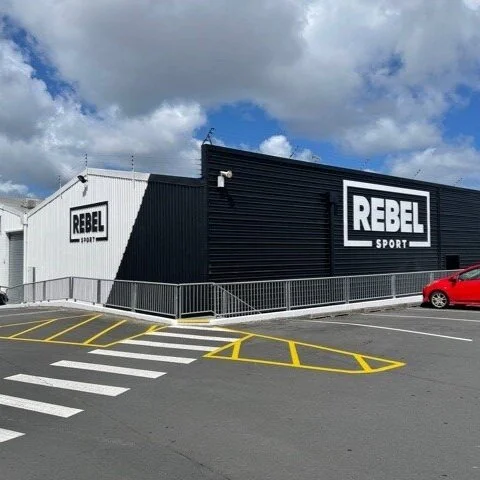
Ensuring consistent delivery from employed teams and subcontractors on remote sites becomes very difficult. The good news is that there are steps you can put in place to almost guarantee a successful outcome.
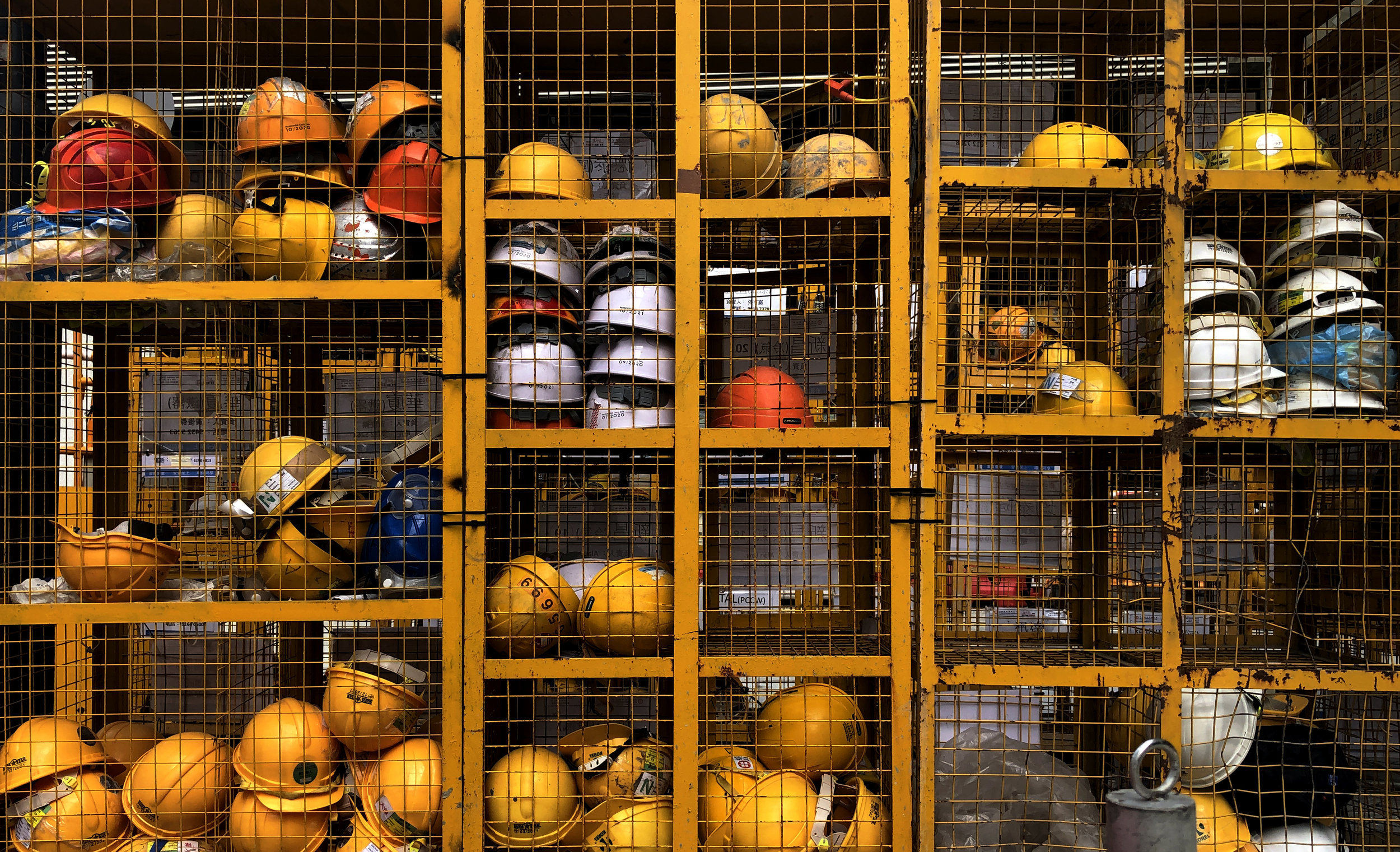
Managing health and safety on projects can be a real challenge. However, it’s something that cannot be overlooked because all parties, directly and indirectly involved have a legal obligation to provide a safe and healthy workplace at all times.

VIDEO - If you were assessing a product you would get samples, photos and specs prior to buying however assessing a service quote is always a challenge because you won’t be able to see or feel what you are buying until after you have given the go ahead. Also just looking at a completed paint job doesn’t tell you if its been done well or will last in the future.
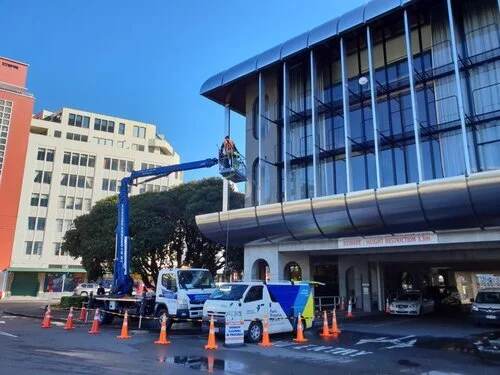
Knowing whether to invest in basic services like building washing is a hard one. On the one hand it’s hard to see where your money is going and the other hand it’s obvious and costly when it isn’t done. In the article we will discuss some considerations when looking at building washing.
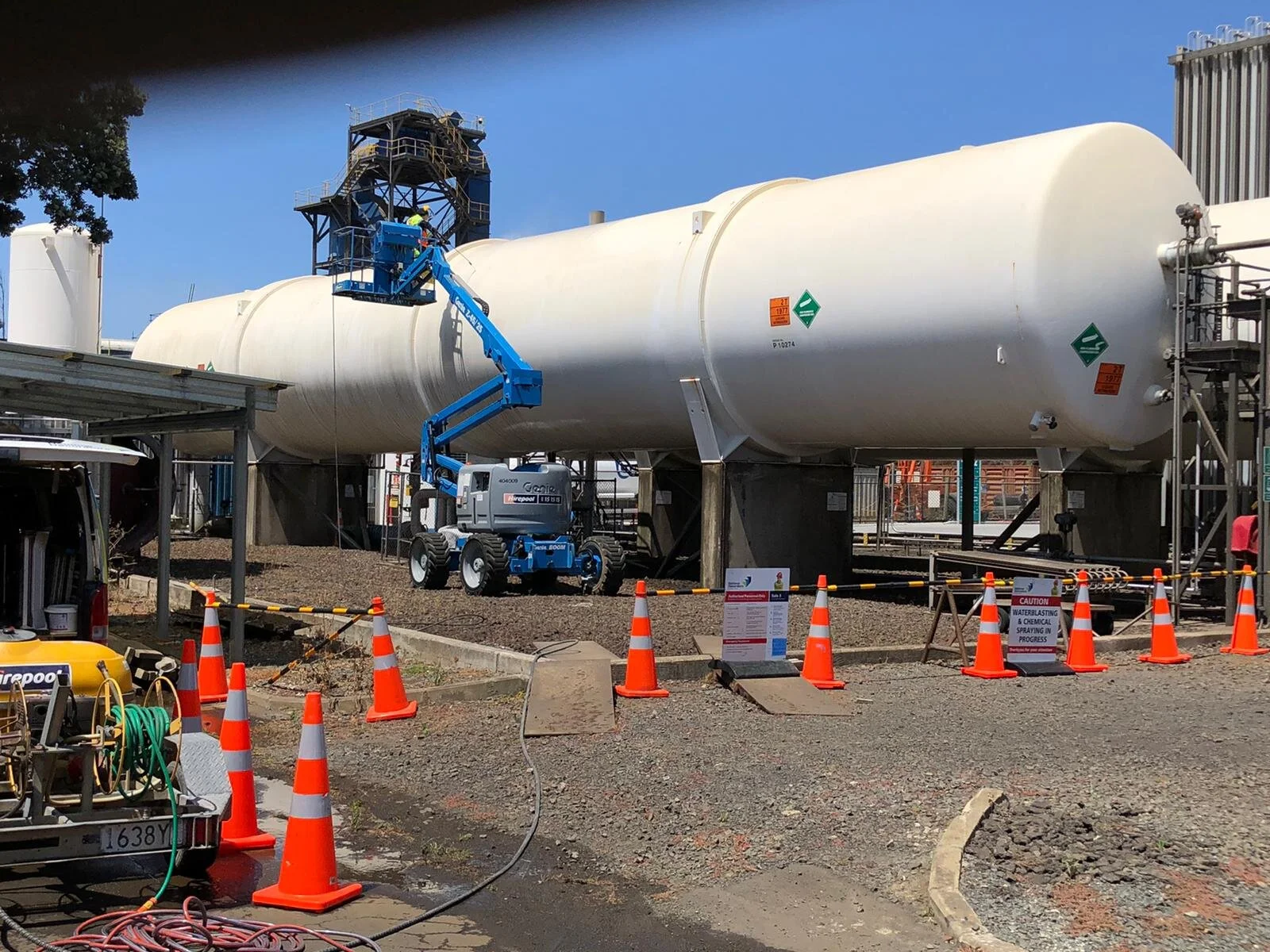
In every area of the country there are lots of good painting and building washing contractors. And…. there are lots that are not-so-good! So how can you tell the difference?

During a maintenance year we’ll hear from people who are deciding to take the bull by the horns and regain control of their site maintenance. Petrol Stations and Fuel Stops are no different and one of the most asked questions is “How many times a year does my site need to be cleaned?”. Below we’ll cover some key considerations on how to assess your cleaning needs and what type of washing program will be the right fit.

During our work we sometimes get asked “should we wash our service stations?”. In a competitive marketplace, a humble forecourt wash can seem like an easy place to start cutting costs. In this article we look at some of the reasons for maintaining your fuel sites to a high level and why this will pay back dividends.

Our safety processes were some of the best in the country, that is, until Mobil came along. This article explains the lessons we learnt from being scrutinised by one of the biggest oil companies in the world, and gives you 4 key points for analysing your contractors.

The New Zealand and Australian contracting industries have 2 main models for procurement - Tendering and Partnership. There are pros and cons with both methods, and this article will give you the information you need to help make an informed decision on which model is best for your situation.

Companies with property and assets spread across New Zealand face some unique challenges. One of the biggest is travel. Visiting sites regularly is not a realistic option, which means that many property managers are only able to visit each site once or twice each year.

The primary reason for the 5x5 is to ensure safety. But as well as this, the 5x5 has evolved to become a critical communication tool. Tradespeople take photos and share with operations and other parties involved in the project through a document, allowing others to assist in assessing risks, hazards and possible improvements that could be made.